
Building Confidence: A Doctor’s Perspective
Confidence is not about changing who you are. It’s about recognizing yourself again.”
Confidence Is Built, Not Injected:
A Thoughtful Approach to Aesthetic Medicine
Jennifer was 48 when she first visited my clinic. Her concern was simple, yet deeply familiar. “I just look more tired than I feel.” For her, it wasn’t chasing youth or perfection. It was about alignment. About the moment when your reflection no longer mirrors the energy, confidence or sense of self you still feel inside. Many women reach this crossroads in their forties. Life is full, careers are established, families often grown, yet the face begins to tell a story that no longer feels quite their own.
This disconnect between how we feel and what we see is not vanity, it is something far more human.
In psychology, it is known as self-congruence. When your appearance reflects your inner identity, you tend to feel confident, authentic and at ease. But when it doesn’t, the brain recognises the mismatch. That subtle dissonance can gradually erode self-esteem, influence how you show up socially or professionally, and create a feeling that something simply isn’t right.
This is where aesthetic medicine has evolved. It’s no longer about looking younger at all costs. It’s about restoring coherence between the inner and outer self. That coherence is what we experience as confidence.
The subtle changes that shape how we look
During Jennifer’s consultation, we talked through what time changes naturally and gradually. Loss of mid-facial support, reduced skin hydration and subtle shifts in how light reflects across the face are all part of the ageing process. These are not flaws. They are measurable biological changes, including collagen loss, redistribution of fat and a decrease in hyaluronic acid within the skin.
When the structural support of the skin changes, light sits differently. The face can appear dull or shadowed even when a person feels energetic and well. Often, the physiological changes come first, and the emotional impact follows.
Our plan for Jennifer was intentionally minimal and carefully considered. The aim was to restore hydration, gently re-support structure and allow light to return to the face. This was achieved using non-surgical aesthetic treatments chosen for their ability to work with the skin’s biology, restoring what time had taken away. The goal was never transformation. It was recalibration. Using science to bring harmony back to features that already belonged to her, not to create something that never existed in the first place.
Recognition, not transformation
At the end of the treatment, Jennifer hesitated before looking in the mirror. Earlier, she had shared her biggest concern. “I just don’t want to look like someone else.”
She studied her reflection quietly for a few seconds, then exhaled. “I look just how I used to look,” she said softly. The results would continue to unfold, but in that moment, recognition mattered more than reflection.
Her smile appeared gently, starting in the eyes before reaching her lips. Then she stood, walked over, and hugged me. No words, just relief.
That brief, silent moment says more about the purpose of aesthetic medicine than any before-and-after photograph ever could. It’s not about changing a face; it’s about restoring ownership of it.
Aesthetic medicine is not about changing the face. It is about returning ownership of it.”
The psychology behind confidence
Confidence is often misunderstood as perfection when, in reality, it’s a balance between biology and emotion. Research in neuroaesthetics shows that when people perceive their reflection as aligned with their inner identity, the brain’s reward centres become more active. In simple terms, the brain responds positively when we recognise ourselves.
When facial features appear incongruent with how someone feels, for example looking permanently tired, sad, or tense due to volume loss or tissue descent, that mismatch can subtly influence behaviour. Studies have linked this to reduced social confidence and even diminished professional presence.
This is why aesthetic treatments, when approached with restraint and understanding, can have a meaningful psychological impact. They don’t just create beauty, they restore familiarity. They allow the mind to see the self clearly again.
Aesthetic treatments don’t just create beauty – they restore familiarity, allowing the mind to see the self clearly again.”
Redefining beauty through harmony
We often think of beauty in visual or cultural terms, but there is also a very practical reason why certain faces look healthy or well. The brain naturally responds to balance, good skin quality and how light reflects across the face. These are signals we associate with vitality and well-being. However, perfect symmetry on its own is not what makes someone look good. What matters far more is whether the face looks natural and true to the person.
In aesthetic medicine, this means focusing on how the face moves and functions, not just how it looks at rest. Expressions, proportion, and skin quality all play a role. Age does not need to be erased to look well. In fact, when treatments are done carefully, they allow age to show in a way that still feels balanced and familiar. The aim is not to add more, but to support what is already there and prevent features from looking heavy or overdone.
The best results often go unnoticed by others because they don’t draw attention to a treatment. Instead, they help the person feel comfortable and confident again, without having to explain what has changed.
The human side of aesthetic medicine
That hug from Jennifer was not just a thank you for the treatment.
It was a sign of trust, in me, in the process and in her own decision.
It was an acknowledgement that something she had been missing had been restored: a sense of ease and confidence in how she looked
That hug from Jennifer was not just a thank you for the treatment. It was a sign of trust, in me, in the process and in her own decision. It was an acknowledgement that something she had been missing had been restored: a sense of ease and confidence in how she looked.
Moments like these are a reminder that aesthetic medicine, when done well, is very human work. It relies on medical knowledge, technical skill, and an understanding of facial anatomy, but it also requires empathy, good judgement and knowing when to do less. The face should never be treated as something to be filled or changed without thought, but as something personal that deserves care and respect.
The face is not a canvas to be filled. It is a landscape to be respected.”
The power of feeling like yourself again
Confidence is often subtle. It shows in how you carry yourself, how relaxed you feel in social situations, and how comfortable you are when you see your reflection. It’s not about standing out or drawing attention but about feeling at ease with yourself.
As a practitioner, my responsibility is to help patients move towards that sense of balance through careful consultation, personalised treatment planning and genuine respect for individuality. True confidence does not come from looking different. It comes from feeling comfortable and familiar in your own skin.
It comes from feeling recognisable again.
And sometimes, it begins in that small, unspoken moment when a patient looks into the mirror and says, almost to themselves,
“It’s how I used to look.”
That is the fine art of building confidence
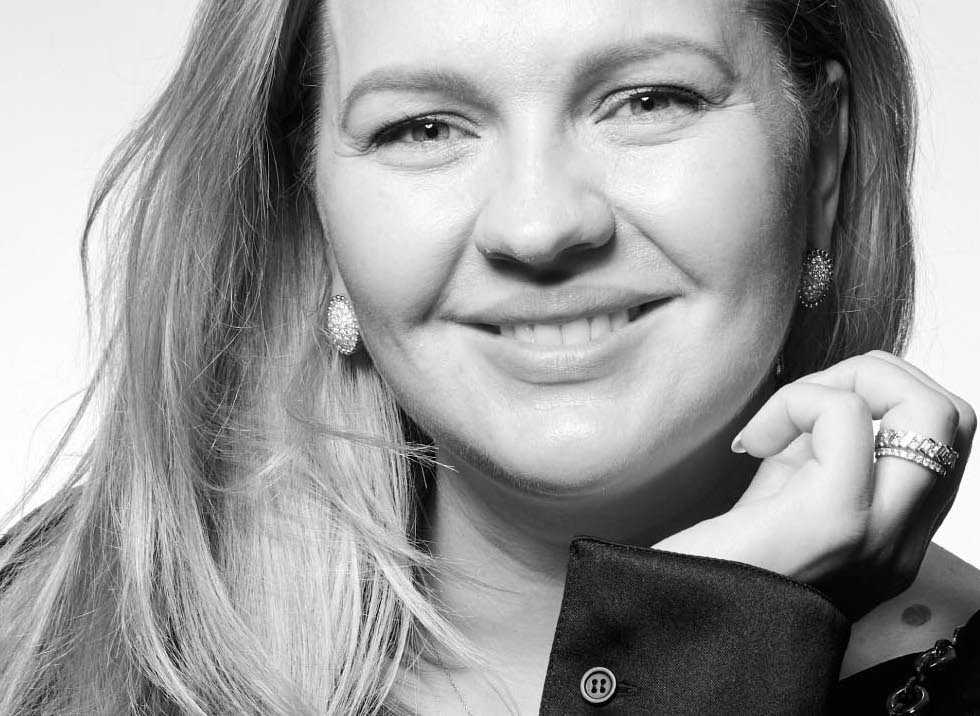
Dr. Daria Voropai
Cosmetic Doctor KNMG and the Artist of Confidence

Building confidence
by Dr. Marie-Eugenie Nichanian
Beyond Techniques:
What Truly Matters

Join the confidence squad
Contact Merz Aesthetic

Explore the campaign
Building confidence is a fine art by Merz Aesthetics
Your confidence, your story
Confidence isn’t a single look; it’s the ease you feel when inner well-being and outer care are in step. For some, that’s calmer texture or clearer tone. For others, it’s a gentle refresh that helps their reflection feel like themselves again. The through-line of this guide is simple: support the mind–skin connection, simplify your routine, and, if you choose, pair it with carefully planned, non-invasive or minimally invasive care that puts subtlety first.
Ready to take the next step? Book with a trusted expert near you.
Find the right aesthetic expert near you

Learn more about us
At Merz Aesthetics, we support a measured, people-first, evidence-led approach. Our portfolio spans non-invasive and minimally invasive options made to be used by qualified practitioners to tailor plans to individual goals and timelines—prioritizing quality, and restraint so results feel and look natural.